By Emily Parker
Updated November 2026
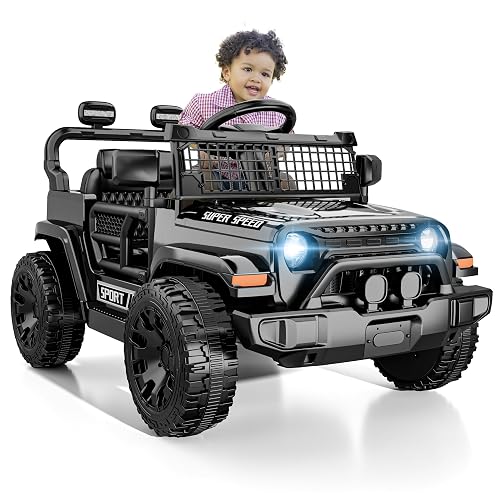
A 12 volt ride on toys 2 seater lets a toddler and a parent (or two toddlers) ride together, and the right one can keep the whole yard entertained for years. This guide walks you through how these machines are built, what to check on the spec sheet, and how to match a model to your kid’s age, your lawn, and your sanity. By the end, you’ll know which features are worth paying for and which ones are just marketing.
What a 12 Volt Two-Seater Actually Is
A 12 volt ride on toy runs on a 12-volt rechargeable battery that powers one or two electric motors, usually connected to the rear axle. The “2 seater” label means the chassis is built to carry two riders, often a child in front and a passenger behind, or two kids side by side. Manufacturers typically list a maximum rider weight for the whole vehicle, so the combined weight of both riders matters more than either one alone.
Shopping for one? See our guide: 9 Best 24 Volt Ride On Toys for Big Kids and Parents (2026).
Most two-seaters are sold as licensed-style vehicles, such as jeeps, side-by-sides, or small pickup trucks. Some have a parent remote that lets you steer and brake when your toddler is still learning. Others are pure kid-controlled with a foot pedal and a steering wheel. Knowing which style you want before you shop narrows the field quickly.
Step 1: Match the Vehicle to Your Riders
Start with the people who will actually sit in the seats. A two-seater is only fun if both riders fit comfortably and can reach the controls. Check the seat depth, the distance from the steering wheel to the seat, and the height of the seatbelt. If a three-year-old is riding with a five-year-old, the older child’s legs will likely outgrow the seat space faster than you expect.
Check the Weight Limit Honestly
Manufacturers specify a maximum combined weight, and it is printed in the manual and usually on a label on the vehicle. Don’t assume you can squeeze two kids in just because the box says “2 seater.” Riding over the limit strains the motor, the battery, and the frame, and it can make the vehicle stall on inclines.
Think About Who Drives
If one rider is a toddler still learning to steer, look for a parent remote. If both riders are older and comfortable with controls, a standard kid-operated model works fine. Some models have a switch that lets you toggle between parent and child control, which is handy as your kid grows.
Step 2: Evaluate the Battery and Run Time
The battery is the heart of the machine, and it is where many owners run into trouble. A typical 12 volt setup uses a sealed lead-acid battery, though some newer models use lithium packs. Check the amp-hour (Ah) rating printed on the battery or in the specs. A higher number generally means longer run time between charges, although the real-world result depends on rider weight, terrain, and speed setting.
Understand Charging Habits
Plan to charge the battery after every few sessions rather than waiting until it dies completely. Deep discharges shorten battery life. Owners commonly report that a full charge lasts an hour or so of mixed use, but heavy loads on grass or hills can cut that noticeably. Keep the charger plugged in indoors when not in use, and never charge the battery in a damp or hot spot.
Consider a Spare Battery
If your kids ride every afternoon, a second battery lets you swap instead of waiting. Just confirm that the spare matches the original voltage and connector type.
Step 3: Compare Speed Settings and Safety Controls
Most 12 volt two-seaters have a top speed somewhere in the range of a brisk walk to a light jog, and many have a low-speed setting for beginners. Look for a clearly labeled speed selector and a reliable brake. A soft-start feature helps prevent sudden lurches, which matter a lot when a toddler is sitting next to a sibling.
Seat Belts and Grab Points
Check that each seat has its own harness or lap belt, and that it latches securely. Grab handles and a sturdy roll bar add stability on uneven ground. Don’t rely on the seat belt alone; it is a support, not a substitute for supervision.
Step 4: Think About the Terrain
Where the vehicle will run matters as much as the vehicle itself. Smooth driveways and patios suit small plastic-wheeled models. Grass, gravel, and gentle slopes call for larger rubber tires, more ground clearance, and a stronger motor. A model that handles a flat driveway may struggle on a lawn that has been soaked by rain.
| Where You Ride | Tire Type to Look For | Feature That Matters Most |
|---|---|---|
| Smooth driveway or patio | Plastic or hard rubber | Easy steering and a gentle brake |
| Grass and mulch | Wide rubber tires | Motor torque and ground clearance |
| Gravel or uneven yard | Knobby or large rubber tires | Suspension and a sturdy frame |
| Hills or slopes | Rubber with good grip | Strong motor and reliable brakes |
Step 5: Look at Build Quality and Assembly
Read reviews from owners who used the vehicle over several months, not just the first week. Owners often report that plastic body panels crack in cold weather, that wheel bolts loosen, and that wiring connectors corrode if the vehicle is left out in rain. Check whether replacement parts are sold, and whether the seller or manufacturer offers a warranty.
Assembly Checklist
- Unbox the vehicle on a flat surface and check for missing parts against the manual.
- Install the battery, making sure the connector is fully seated and the cover is tight.
- Tighten all wheel nuts and steering components after the first two or three rides.
- Test the forward, reverse, and brake functions in a safe, enclosed area before handing over the keys.
- Charge the battery fully before the first ride, following the manufacturer’s instructions.
Step 6: Plan for Growth and Resale
Kids grow out of toys quickly, but a well-built two-seater can stay useful for several seasons if the riders are close in size. Consider how long the seat space will work for a larger child. If you plan to sell it later, a clean, well-maintained vehicle with a fresh battery holds its appeal far better than one that has been left out in the weather.
Common Mistakes to Avoid
- Ignoring the combined weight limit. Two riders can easily exceed what a single-rider mindset suggests.
- Letting the battery run flat repeatedly. Recharge after each session when possible.
- Buying for the wrong terrain. A small-wheeled model on grass will frustrate everyone.
- Skipping the test ride. Run it yourself in the yard before you hand it to the kids.
- Leaving it outside uncovered. Moisture and sun are the main enemies of plastic bodies and electrical connections.
- Assuming “2 seater” means two adults. These are built for children, and adults should never ride in them.
Tips for Getting the Most Out of It
- Set a simple rule for the two seats, such as taking turns every ten minutes, to cut down on arguments.
- Keep a small tool kit nearby so you can tighten bolts after a few weeks of use.
- Store the battery indoors during the off-season, and top it up every couple of months.
- Teach riders to stop fully before getting on or off, and keep the area clear of toys and pets.
Recommended Gear
A few accessories make ownership easier and safer. Look for these types of products rather than the generic versions:
- A compatible spare 12 volt battery lets you keep riding while the first pack charges. Check the voltage and connector before buying. View on Amazon
- A battery charger matched to your battery chemistry protects the pack from overcharging. Look for an automatic shutoff. View on Amazon
- A parent remote control is useful if one rider is still learning to steer. Confirm it is compatible with your model. View on Amazon
- A cover for outdoor storage keeps rain and sun off the plastic body and wiring. View on Amazon
FAQ
Can two toddlers ride a 12 volt two-seater at the same time?
Yes, as long as their combined weight stays under the manufacturer’s stated limit and both can reach the controls safely. Check the seat width and the seat belt fit before letting them ride together.
How long does the battery last on a single charge?
It depends on battery capacity, rider weight, terrain, and speed setting. Owners commonly report roughly an hour of mixed use on flat ground, with less on grass or hills. Check the manual for the manufacturer’s estimate.
Is a parent remote necessary?
It is not required, but it is very helpful for younger riders who are still learning to steer and brake. Many parents keep the remote active until the child shows consistent control.
Can I use a 12 volt two-seater on grass?
Many models handle light grass well, especially those with wider rubber tires. Thick, wet, or uneven grass can strain the motor, so start on short, flat sections and see how it performs.
How do I know if the weight limit is safe for my kids?
Add up both riders’ weights and compare the total to the maximum listed in the manual. If you are close to the limit, choose a model with a higher rating or wait until the riders are a bit lighter.
How should I store the vehicle in winter?
Move it indoors or into a dry shed, disconnect the battery, and store the battery in a cool, dry place. Top up the charge every couple of months, and recharge fully before the first spring ride.
Is it safe to leave the battery charging overnight?
Only use a charger with automatic shutoff, and follow the manufacturer’s instructions. Never charge the battery unattended in a garage or room where a fire would be dangerous, and check the charger and battery regularly for heat or swelling. If you notice any damage, consult a professional or the manufacturer before using it again.
Conclusion
A good 12 volt ride on toys 2 seater fits both riders, handles your terrain, and runs on a battery you can actually keep charged. Start with the combined weight limit and the terrain, then compare battery capacity, speed controls, and build quality. Spend a few minutes on assembly and a test ride, and your kids will spend far more time having fun than waiting for repairs.
Related reading
- Ride on Toys 12 Volt: How to Choose the Right One for Your Toddler (2026)
- Battery Powered Ride On Toys 2-Seater: 6 Buying Factors for Dads (2026)
- 5 Best 12 Volt Battery Operated Ride On Toys for Toddlers (2026)
- 4 Best 24 Volt Power Ride On Toys for Big Kids (2026)
Ready to choose one?
About Emily Parker
Emily Parker is part of our editorial team and reviews and edits our dad-focused parenting guides, checking product details against manufacturer specifications and owner feedback.