By Emily Parker
Updated November 2026
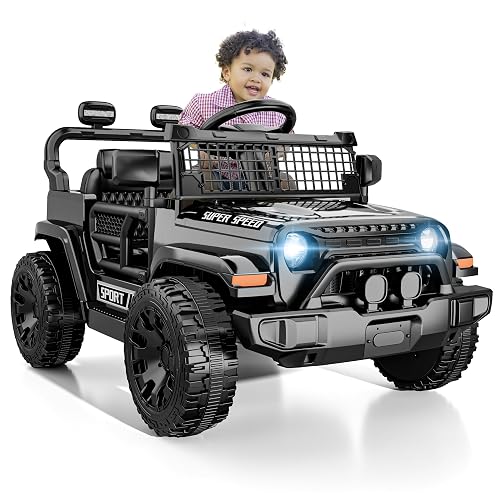
If you’re shopping for 16v ride on toys, the goal is simple: find a model that fits your child’s size, suits the ground you’ll be riding on, and runs safely for years of backyard laps. This guide walks you through the checks that matter most, from voltage and battery to seat size and braking, so you can narrow the field fast.
What “16V” Actually Tells You
The 16V number refers to the battery system. Most 16 volt ride-ons use a sealed rechargeable battery, often paired with one or two drive motors. Higher voltage generally means more power and better hill performance, but it also means a heavier vehicle and a bigger demand on the battery. For a toddler on flat lawn or driveway, a 16V unit is usually plenty. For uneven grass or gentle slopes, look for a model that specifically lists its terrain capability.
Shopping for one? See our guide: 5 Best 24v Ride On Toys for Big Yards and Long Rides: Buyer's Guide (2026).
Step 1: Match the Vehicle to Your Child
Check the manufacturer’s stated age and weight limits before anything else. Those numbers are set with safety margins, and going over them strains the motor, the wheels and the frame. Measure your child’s inseam too. Their feet should reach the pedal or floor comfortably, and their hands should rest on the steering wheel without a stretched reach.
Step 2: Check the Battery and Charging Setup
Battery quality determines how long each ride lasts and how many years the toy stays usable. Look for: You may also like Wooden Balance Bike Treehaus: A Dad's Guide to Choosing the Right One.
- A rated runtime listed by the manufacturer, noted as an estimate that varies with terrain and rider weight
- A charger designed for that battery, with an indicator light so you know when it’s full
- Replacement batteries available through the brand, so you’re not stuck when the original wears out
Charge the battery fully before the first ride, then follow the manual’s guidance on charge cycles. Don’t leave it on the charger for days at a time.
Step 3: Test the Ground and the Controls
Grass, gravel and wet pavement each take a toll on drive performance. Smooth concrete suits almost any model, while thick grass calls for wider, knobby tires. If you plan to use a yard with bumps, check whether the model includes suspension or solid rubber tires that handle rough patches better.
Also check the controls. A forward and reverse switch should be easy for a small hand to operate, and the accelerator should respond smoothly rather than lurching. Many 16V models include a parent remote, which lets you stop the vehicle from a distance. Consider this a strong safety feature for young riders.
Quick Pre-Purchase Checklist
- Confirm age and weight limits match your child
- Check inseam and seat fit
- Verify battery type, runtime estimate and replacement availability
- Match tires to your ground surface
- Look for a parent remote or easy-to-reach stop control
- Confirm brakes and seatbelt are included
Common Mistakes Dads Make
- Buying for next year’s size, then struggling with a seat that’s too big now
- Ignoring tire type and finding the toy stuck in soft grass
- Charging the battery incorrectly, which shortens its life
- Skipping the manual’s safety warnings and letting an unsupervised toddler ride near a street or pool
- Assuming a higher voltage always means a better ride, when terrain and weight matter more
Recommended Gear
A few accessories make 16V models easier to live with. A spare battery keeps play going when the first one is drained. A small toolkit lets you check bolts and tire pressure during routine maintenance. And a sturdy helmet and gloves protect young riders on any ride.
- Spare rechargeable battery for your specific model: a backup that keeps the afternoon going when the first pack runs down. View on Amazon
- Basic socket and screwdriver set: handy for tightening seat and wheel hardware on a regular schedule. View on Amazon
- Child bike helmet and gloves: useful protection for toddlers and older kids on any powered vehicle. View on Amazon
FAQ
Is a 16V ride-on safe for a toddler?
It can be, provided the model matches your child’s age and weight range and includes a parent remote or easy stop control. Supervise every ride, especially near driveways, streets and water.
How long does a 16V battery last per charge?
Manufacturers publish estimated runtimes, but actual use varies with rider weight, terrain and speed. Check the manual for the stated estimate and plan for less on hills or thick grass.
Can 16V ride-ons handle grass?
Many can, especially models with wider or knobby tires. Thick, wet or uneven grass demands more power, so choose a model that lists lawn or off-road use.
Conclusion
A good 16V ride-on comes down to matching size, battery, tires and controls to your child and your yard. Run through the checklist before you buy, and keep the manufacturer’s safety and charging instructions handy. Check the official manufacturer site for current model details and warranty terms before purchasing.
Related reading
- Wiggle Ride On Toys: A Dad's Guide to Choosing and Using One Safely
- Why Does My Case Ride On Toy Keep Stalling? 6 Causes and Fixes
- Wholesale Ride On Toys: A Dad's Step-by-Step Guide to Buying in Bulk
Ready to choose one?
About Emily Parker
Emily Parker is part of our editorial team and reviews and edits our dad-focused parenting guides, checking product details against manufacturer specifications and owner feedback.