By Emily Parker
Updated November 2026
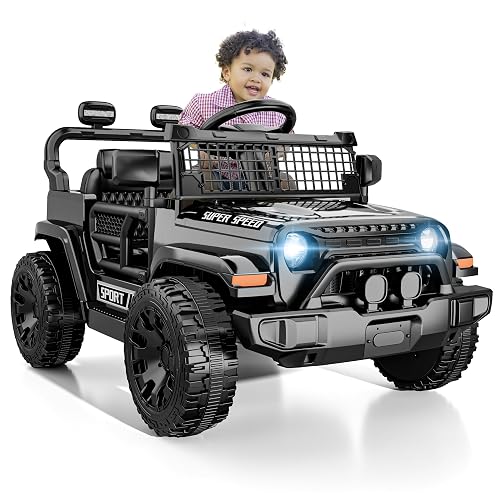
A 4×4 ride on toy gives your kid real off-road-style fun, but the wrong one can be underpowered, unsafe, or stuck in the mud by the second weekend. This guide walks you through what separates a good 4×4 ride on toy from a glorified sandbox decoration, so you can match the right model to your child’s age, your yard, and your patience. By the end, you’ll know how to compare motors, tires, suspension, speed settings, and safety features, and you’ll have a checklist to bring to the store or product page.
What Makes a Ride On Toy a True 4×4
Strictly speaking, a 4×4 ride on toy has power going to all four wheels, or at least a drive system designed to handle rough ground. Many toys marketed as “4×4” are really two-wheel-drive with chunky tires and a cool paint job. That doesn’t make them bad, but it does change what they can handle. Check the spec sheet for words like “four-wheel drive,” “dual motor,” or “all-wheel drive.” If the listing only shows a single rear motor, expect it to struggle on grass, gravel, or anything damp.
Shopping for one? See our guide: 5 Best 24v Ride On Toys for Big Yards and Long Rides: Buyer's Guide (2026).
Drive Configuration Basics
- Single-motor, rear-wheel drive: Fine for pavement and short grass. Often the most affordable route.
- Dual-motor, rear-wheel drive: More torque and better hill performance, though still limited on loose surfaces.
- True four-wheel drive: Best traction for mud, sand, and uneven terrain. Usually the heaviest and most expensive option.
Step 1: Match the Vehicle to Your Child’s Age and Size
Manufacturers publish age and weight limits for good reason. A toy built for a three-year-old may have a seat that’s too wide, pedals out of reach, or a top speed too fast for a new driver. Before you compare features, confirm three numbers: the minimum and maximum age, the maximum rider weight, and the seat-to-pedal distance if pedals are included.
Quick Sizing Reference
| Rider Age | Typical Top Speed (manufacturer spec range) | Key Feature to Look For |
|---|---|---|
| 18 months to 3 years | 1 to 2 mph | Parent remote and forward/reverse limits |
| 3 to 5 years | 2 to 4 mph | Adjustable speed and a sturdy seat belt |
| 5 to 8 years | 4 to 7 mph | Real four-wheel drive and larger tires |
These ranges are general guidance. Always check the exact limits printed on the specific model, since they vary widely between brands.
Step 2: Evaluate Power and Battery System
Voltage tells you about the power available, and battery capacity tells you how long the ride lasts. Most 4×4 ride on toys run on 6V, 12V, or 24V systems. Higher voltage generally means more torque for climbing and more speed, but also a heavier vehicle and a more expensive charger.
What to Check on the Battery
- Confirm the voltage and whether the battery is sealed lead-acid or another type. Note that charging and storage requirements differ.
- Look for the manufacturer’s stated run time under typical use. Remember that hills, heavy riders, and rough terrain cut it down quickly.
- Find out how long a full charge takes. Overnight charging is common and fine for most families.
- Check whether a replacement battery is sold separately and how easy it is to swap.
Step 3: Inspect Tires, Suspension, and Ground Clearance
This is where a 4×4 earns its name. Knobby or deep-tread tires grip loose dirt and grass far better than smooth plastic-style wheels. Ground clearance determines whether the body drags over bumps or roots. Suspension, even simple spring suspension on the front axle, smooths out the ride and keeps the chassis from bottoming out.
When you read listings, look for “rubber tires” or “EVA foam tires” rather than hard plastic. Foam tires never go flat, which is a real advantage, but they grip less on wet grass than good rubber treads.
Step 4: Check Safety and Control Features
Safety features separate a good purchase from a risky one. Prioritize these:
- Seat belt: A proper harness with a buckle that a toddler can’t easily open.
- Parent remote: Lets you stop, steer, or limit the vehicle from a distance. Strongly recommended for younger riders.
- Speed limiter or speed setting: Lets you cap top speed for beginners.
- Brake: Automatic braking when the pedal or throttle is released is a major plus.
- Stable seating: A wide, low seat reduces tipping on slopes.
The American Academy of Pediatrics and manufacturers both advise adult supervision for all powered ride-on use. A toy is not a babysitter, and no feature replaces watching your child.
Step 5: Plan Where and How It Will Run
Think about your actual yard before you buy. A 4×4 with good clearance is wasted on a flat patio, and a high-speed model is a poor choice for a small backyard with a fence and a slope down to the street. Walk the area and note any hills, gravel, mulch beds, or drop-offs. Measure the usable space in feet so you know how much room the vehicle needs to turn.
Also consider storage. Many of these vehicles are heavy, and a garage corner or covered patio keeps batteries and electronics out of rain and freezing temperatures.
Common Mistakes to Avoid
- Buying for an older child and assuming a younger one will grow into it safely. Speed and control matter more than size.
- Choosing a “4×4” label without confirming real four-wheel drive in the specs.
- Ignoring the charging time and running out of battery mid-afternoon.
- Skipping the parent remote on a toy for a child under about four.
- Letting the vehicle run on wet grass or steep slopes beyond its rated capability, which can strain the motor and cause tipping.
- Forgetting that mud and sand can get into the drive system. Rinse and dry the vehicle after rough use.
Tips From the Driveway
- Start new drivers on a flat, open area and set the speed to the lowest level.
- Do a quick pre-ride check: tire pressure or tread condition, seat belt, brake response, and any loose bolts.
- Keep a spare fully charged battery if you have multiple kids sharing the vehicle.
- Store the battery indoors during cold months and charge it on a schedule rather than letting it sit empty.
- Read the owner’s manual once before the first ride. It often lists maintenance intervals and weight limits you won’t find in the listing.
Recommended Gear
- Helmet sized for toddlers and young kids: A helmet fitted properly protects against the most common head injuries if the vehicle tips or your child falls. Look for one labeled to a recognized bicycle or helmet safety standard. View on Amazon
- Replacement or spare 12V battery: Doubles your ride time and makes charging easier for multiple kids. Confirm the voltage matches your model exactly. View on Amazon
- Battery charger matched to your voltage: A charger built for your battery type helps prevent overcharging and extends battery life. View on Amazon
- Outdoor mat or rubber pad for the storage area: Keeps the vehicle off wet concrete and reduces rust on frame bolts and wheel hubs. View on Amazon
FAQ
Are 4×4 ride on toys safe for toddlers?
They can be, when you choose a model rated for the child’s age and weight, use the seat belt, set the speed low, and supervise closely. A parent remote is strongly recommended for riders under about four. Always follow the manufacturer’s age and weight limits.
What is the difference between a 4×4 and a regular ride on toy?
A true 4×4 sends power to all four wheels, which gives better traction on grass, mud, sand, and slopes. Regular two-wheel-drive models are fine for smooth surfaces but tend to spin or stall on rough ground.
How long does the battery last on a 4×4 ride on toy?
Run time depends on voltage, battery capacity, rider weight, terrain, and speed setting. Manufacturers usually publish an estimate under ideal conditions. Expect less time on hills, grass, or with heavier riders.
Can a 4×4 ride on toy go on grass?
Yes, and a true four-wheel-drive model with knobby tires handles grass well. Dry grass is easiest. Wet or muddy grass can still cause slipping, and standing water can damage electronics, so check the manual for water exposure guidance.
How do I know which voltage to choose?
Match the voltage to your child’s size, your terrain, and how much power you want. Lower voltages suit small children on flat ground. Higher voltages handle hills and rougher yards better but add weight and cost.
How should I maintain a 4×4 ride on toy?
Rinse off mud and sand after use, dry it thoroughly, check tire condition and bolts regularly, and charge the battery according to the manual. Store it in a dry place, and don’t let the battery sit fully discharged for long periods.
Do ride on toys for older kids need the same features?
Older riders benefit from larger tires, more ground clearance, and higher speed options, but the core safety basics still apply. Keep a seat belt, a speed setting, and a helmet in use regardless of age.
Conclusion
A good 4×4 ride on toy comes down to matching the vehicle to your child’s age, confirming real four-wheel drive, checking the battery and tires, and choosing safety features you’ll actually use. Walk your yard before you buy, read the manufacturer’s limits, and plan for charging and storage. Get those right, and the driveway becomes your kid’s favorite off-road course.
Related reading
- Tractor Ride On Toys: 6 Best Picks for Toddlers and Big Kids (2026)
- Top 7 Ride On Toys for Five Year Olds Compared (2026)
- Top 6 Childrens Electric Ride On Toys for Toddlers and Big Kids
- Top 5 Ride On Toys Car Picks for Toddlers and Big Kids
- Ride on Toys 12 Volt: How to Choose the Right One for Your Toddler (2026)
- Ride On Toys for Three Year Olds: 5 Best Picks for Every Yard (2026)
Ready to choose one?
About Emily Parker
Emily Parker is part of our editorial team and reviews and edits our dad-focused parenting guides, checking product details against manufacturer specifications and owner feedback.