By Emily Parker
Updated November 2026
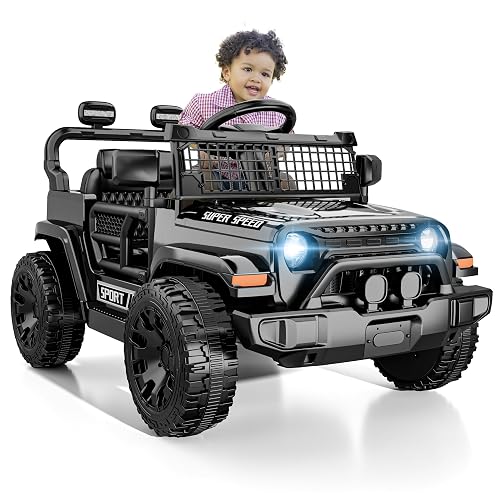
The best choice 24 volt ride on toys are the ones that match your kid’s size, your yard, and how much supervision you can actually give. This guide walks you through the factors that matter most, so you can narrow the field fast and skip the marketing fluff. By the end, you’ll know what to check on the spec sheet and what to ignore. You may also like Ride On Toys Made in USA: How to Find and Verify American-Made Picks.
Step 1: Match the Ride to Your Child’s Size and Age
Manufacturers usually list a recommended age range and a maximum weight. Treat the weight limit as a hard ceiling, not a suggestion. A 24 volt ride-on under about 3 years old is often overkill, so start by checking whether your child can reach the pedals or steering wheel comfortably while sitting upright with back support.
Shopping for one? See our guide: 9 Best 24 Volt Ride On Toys for Big Kids and Parents (2026).
Seat height matters too. If your child’s feet dangle with no way to brace, they will struggle to stop and steer safely. We also found Best Sensory Play Toys for Early Development: 3 Toys Compared useful on this point.
Step 2: Compare Motor, Battery and Speed
A 24 volt system generally gives more pull and better performance on grass, gravel and small hills than a 12 volt setup. That extra power is useful, but it also means higher top speeds, so look for these details:
- Speed settings: Two-speed models, often a slow start and a faster mode, are better for new riders.
- Battery type: Most units use sealed lead-acid or lithium batteries. Check the manufacturer’s stated charge time and runtime.
- Drive system: Rear-wheel drive is common and handles hills well. Confirm whether the motor count is one or two.
- Terrain fit: Knobby tires suit grass and dirt. Smooth tires work better on pavement and driveways.
Step 3: Check Safety Features and Parent Controls
Look for a parent remote, which lets you stop or limit the ride from a distance. A seat belt, a locking brake, and a speed limiter are other features worth paying attention to. Owners often report that a remote is the feature they use most, especially with younger riders still learning to steer. A related read: 3 Best 24 Volt Ride On Toys for Sale: Our Picks for Every Need.
Confirm the toy carries a relevant safety standard listing and read the warnings in the manual before first use.
Quick Checklist Before You Buy
- Confirm the age range and weight limit fit your child.
- Measure your yard or driveway and match the tire type to the surface.
- Check the speed settings and whether a parent remote is included.
- Read the charging instructions and expected runtime.
- Verify the seat belt, brake and any locking features.
Common Mistakes to Avoid
- Buying for the age on the box rather than your child’s actual size.
- Choosing top speed over control. Lower settings are safer while skills develop.
- Ignoring the terrain. Smooth tires on grass lose traction quickly.
- Skipping the charging routine, which shortens battery life.
- Letting kids ride unsupervised near roads, pools or steep slopes.
Recommended Gear
A helmet sized for your child is the first accessory to buy, since falls are common even at low speeds. View on Amazon
A battery charger that matches the battery’s specified voltage keeps charging safe and consistent. View on Amazon
Knee and elbow pads help protect against scrapes when your child is learning to steer and stop. View on Amazon
FAQ
Is a 24 volt ride-on too powerful for a toddler?
It can be, depending on the model. Choose one with a slow speed setting and a parent remote, and keep the top speed for older riders who have shown good control. For another angle, check out 5 Best 12 Volt Powered Rides on Toys Toy Car (2026): Our Picks.
How long should I charge the battery?
Follow the manufacturer’s stated charge time, and avoid leaving the battery on the charger far beyond that. Overcharging can shorten battery life. You may also like 4 Best Rides on Toys Green (2026): Our Picks.
Where should my child ride?
Use a flat, enclosed area away from roads, pools and steep slopes, and supervise at all times. Check the manual for the manufacturer’s recommended surfaces.
Conclusion
The best choice 24 volt ride on toys fit your child’s size, match your yard, and include the controls you need to stay in charge. Work through the checklist, prioritize safety features over raw speed, and buy with the next few years of growth in mind. Always check the manufacturer’s current specifications and safety guidance before purchase.
Related reading
- 5 Best 12 Volt Battery Operated Ride On Toys for Toddlers (2026)
- 4 Best 24 Volt Power Ride On Toys for Big Kids (2026)
- Tractor Ride On Toys: 6 Best Picks for Toddlers and Big Kids (2026)
- Top 7 Ride On Toys for Five Year Olds Compared (2026)
- Top 6 Childrens Electric Ride On Toys for Toddlers and Big Kids
Ready to choose one?
About Emily Parker
Emily Parker is part of our editorial team and reviews and edits our dad-focused parenting guides, checking product details against manufacturer specifications and owner feedback.