By Emily Parker
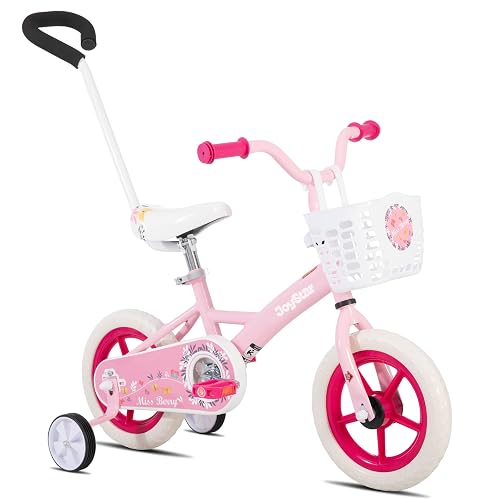
A toddler bike with steering handle gives your little one control over direction, which makes riding safer, easier to learn and a lot more fun. In this guide, you’ll learn how to check handlebar design, sizing, frame weight, braking and the other factors that separate a bike your toddler will love from one that sits in the garage. By the end, you’ll know exactly what to look for and what to skip.
Why Steering Matters More Than You Think
Most toddlers start on a bike with no pedals, pushing with their feet. Early on, the handlebars are mostly for balance and general direction. Once a child begins to move with purpose, steering becomes the main skill. A good steering setup lets them turn away from a curb, slow into a corner and stop before the driveway. A poor one, such as handlebars that are too wide, too narrow or too high, makes every ride frustrating and can lead to tipping.
Shopping for one? See our guide: Woom 1 Balance Bike Review: Is It Worth It?.
If you’re still deciding whether your child is ready for a bike at all, our guide to 16 Best Toddler Balance Bikes covers the main contenders by age and size. This article focuses on the steering system itself, so you can judge any model on its merits.
Step 1: Confirm the Right Size and Seat Height
Steering is only useful if your toddler can sit comfortably and reach the grips. Before you look at handlebar shape, check the sizing data.
- Measure inseam. Have your child stand with feet about shoulder-width apart, and measure from the crotch to the floor. Manufacturers usually list a seat height range in centimeters or inches. Aim for a model where your child can sit with both feet flat on the ground, with a slight bend in the knees.
- Check the seat height range. Many balance bikes adjust across a range of roughly 4 to 6 inches. A wider range lets the bike last longer as your child grows.
- Test reach to the grips. With the seat at the lowest setting, your child should be able to hold the grips with elbows slightly bent, not locked straight and not cramped.
If your toddler is between sizes, choose the smaller frame with a higher seat rather than a larger frame they’ll struggle to control.
Step 2: Evaluate Handlebar Design
Handlebar design affects how easily a toddler turns and how confident they feel at speed. Look at four things.
Grip Shape and Width
Small hands need small grips. Look for rubber or foam grips that a toddler can wrap their whole hand around. Oversized grips make steering clumsy. Ergonomic grips with a slight contour help kids keep their hands in position.
Handlebar Width
Narrow bars give quicker, twitchier steering, which can be hard for a beginner. Very wide bars can feel stable but slow to respond in tight spaces. Most toddler models fall in a middle range, and that middle range is usually the best starting point.
Steering Lock and Turning Radius
Some balance bikes allow the front wheel to turn a full 90 degrees or more, which helps with tight turns. Others have a limited steering angle designed to keep the bike stable for new riders. Neither is wrong, but a limited angle is generally better for the first few months.
Handlebar Height
Handlebars should sit roughly level with or slightly above the seat. If they’re too low, your child leans forward and loses balance. If they’re too high, steering feels loose and unpredictable. Adjustable height is a useful feature to look for.
Step 3: Check Frame Weight and Construction
A bike that’s easy for an adult to lift is easier for a toddler to handle. Heavy frames are harder to steer and tip more easily when the child leans. Compare the listed weights of models you’re considering, and favor lighter aluminum or magnesium-alloy frames over heavy steel when the difference is meaningful.
Check that the frame has no pinch points near the steering head and that the headset (the part that lets the front wheel turn) is covered or recessed. Loose parts and exposed bolts are common complaints in owner reviews, so tighten everything before first use and check it monthly.
Step 4: Look at Braking and Safety Features
Many toddler bikes with steering handles have no brakes at all, relying on the child’s feet to slow down. Others include a hand brake or a rear coaster brake. Hand brakes take a few months to master, so a model with a foot-brake or a simple, easy-to-reach lever is often the better fit for ages 2 to 3.
Beyond braking, check for:
- Tires: foam-filled or airless tires avoid flats and suit most outdoor surfaces.
- Grip and footrest placement: feet should rest securely without slipping.
- Stable kickstand or wheel base: a stable frame prevents tip-overs when parked.
- Certification: look for compliance with ASTM F963 or EN 71 toy and bicycle safety standards where listed.
Step 5: Compare Steering Systems at a Glance
Use this table to compare the steering features most toddler bikes offer.
| Feature | Best For | Watch Out For |
|---|---|---|
| Limited steering angle | First-time riders, ages 18 months to 2.5 years | Can feel restrictive for older, more confident kids |
| Full steering angle | Experienced riders, tighter turns | More twitchy, harder for beginners |
| Adjustable handlebar height | Children who grow quickly | Check locking pins are secure |
| Ergonomic rubber grips | Small hands, long rides | Cheap grips can slip when wet |
| Foot brake or simple lever | Ages 2 to 3 | Hand brakes take longer to learn |
Step 6: Test Before Your Child Rides
Once the bike arrives, run a quick check before handing it over.
- Assemble according to the manual, tightening every bolt.
- Sit on the bike yourself, or hold your child’s position, and confirm the reach to grips.
- Turn the handlebars fully left and right. They should move smoothly without catching on the frame.
- Roll the bike across a flat, safe surface and try a gentle turn.
- Check that the wheels spin freely and the brakes (if any) engage.
Then let your toddler try it in a safe, open area with soft ground or grass. Expect wobbles and expect to hover nearby for the first several sessions.
Common Mistakes
- Buying too big. Parents often buy for the child they’ll have in a year. A bike that’s too large makes steering harder and reduces confidence.
- Ignoring grip size. Oversized or hard grips cause frustration and poor control.
- Overlooking the steering angle. Some bikes are designed for beginners and others for older kids. Read the spec sheet.
- Skipping maintenance. Loose headsets and handlebars can cause sudden steering failure. Check bolts regularly.
- Rushing to pedals. Mastering steering and balance on a balance bike first makes pedal bikes much easier later.
Tips for Dad
- Practice on a flat, grassy area with no traffic and no slopes until steering feels natural.
- Stand beside your child, not in front. Let them learn to look where they’re going, not at you.
- Keep sessions short, around 15 to 20 minutes, to avoid frustration.
- Teach your toddler to hold the grips with both hands and look ahead, not down at the front wheel.
Recommended Gear
These items support safer, more confident steering practice.
- Strider 12 Sport Balance Bike: A widely sold balance bike with adjustable height and a steering design that many parents find easy for beginners. View on Amazon
- Woom 1 Balance Bike: A lightweight frame option for small riders who need easy handling and a low seat. View on Amazon
- Bell Toddler Helmet: A properly fitted helmet is essential when a child is learning to steer at speed. View on Amazon
- Knee and elbow pads for toddlers: Useful for early falls while the child builds balance and steering control. View on Amazon
FAQ
What age is a toddler bike with steering handle suitable for?
Most models are designed for roughly 18 months to 5 years, depending on frame size and seat height. Always check the manufacturer’s stated height or inseam range rather than relying on age alone.
Should the handlebars be adjustable?
Adjustable handlebars are helpful because children grow quickly. They let one bike last through several years of use, provided the locking mechanism stays secure.
Do toddler bikes need hand brakes?
Not necessarily. Many toddlers learn to stop with their feet first. A hand brake can be added later, once your child has better grip strength and coordination.
How do I know if the steering is too twitchy?
If your child overcorrects constantly or tips when turning gently, the bike may be too light, too narrow at the bars, or set to a steering angle that is too sensitive for their skill level.
Is a balance bike better than a pedal bike for steering?
For toddlers, a balance bike is generally better because it lets them focus on steering and balance without the added challenge of pedaling. Most children transition to pedals once they’re comfortable on two wheels.
How often should I check the steering components?
Check bolts, headset and handlebar clamps before each few rides, and do a more thorough inspection monthly. Loose parts can affect safety, so tighten or replace anything that feels worn.
When should I see a professional about a bike problem?
If steering feels stiff, grinds, catches or moves unevenly after you’ve tightened everything, stop using the bike and consult the manufacturer or a qualified bike technician. For any injury, consult a medical professional.
Conclusion
A good toddler bike with steering handle fits your child’s size, has grips they can hold comfortably and offers a steering angle suited to their skill level. Check the weight, braking options and construction before buying, and test the bike at home before the first ride. Start slow, practice on soft ground and let your toddler build confidence one turn at a time.
Related reading
- Woom Wow Balance Bike Review: Is It Worth It?
- Woom Go 1 Balance Bike Review: Features and Performance
Ready to choose one?
About Emily Parker
Emily Parker is part of our editorial team and reviews and edits our dad-focused parenting guides, checking product details against manufacturer specifications and owner feedback.