By Emily Parker
Updated November 2026
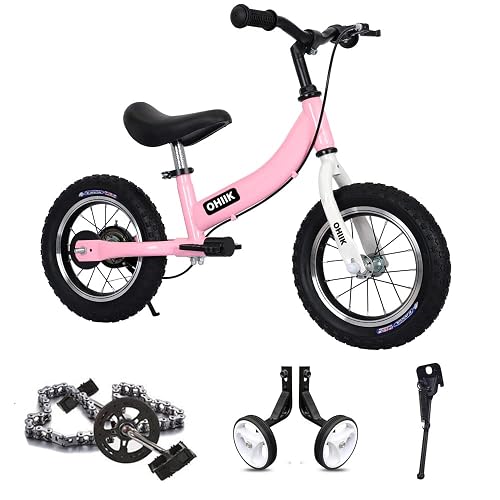
A balance bike with brakes is worth considering if your toddler is still learning to control speed on slopes, in busy spaces, or with bigger wheels. Many balance bikes skip brakes on purpose, relying on foot-dragging to stop, while others add a hand brake or a coaster-style rear brake. The right choice depends on your child’s age, the terrain you ride on, and how confident your kid is with stopping.
Why Brakes Are Not Standard on Most Balance Bikes
Most balance bikes are built around one core skill: balance. Without pedals, a child learns to steer, lean and push off, then glide with their feet up. Adding a brake introduces another motor skill, squeezing a lever with small hands while keeping balance, and for a 2-year-old that can be one task too many. That is why many brands leave brakes off the entry-level models and let parents decide later.
Shopping for one? See our guide: Woom 1 Balance Bike Review: Is It Worth It?.
Foot braking is the traditional method. Kids learn to drag a shoe on the ground to slow down, which builds awareness of speed and body position. It works well on flat, grassy, or gravel surfaces, but it wears out shoe soles and is less effective on pavement or hills.
Factors to Weigh Before Choosing a Balance Bike With Brakes
Several factors determine whether brakes are a good idea for your child.
- Age and coordination. Many kids start with foot braking and move to hand brakes around 3 to 4 years old, once they can grip a lever and keep their eyes ahead.
- Terrain. Sidewalks, driveways and paved paths with slopes benefit most from a reliable brake. Flat grass rarely needs one.
- Brake type. Hand-operated rim or V-brakes are common on bigger models. Coaster-style rear hub brakes are activated by back-pedaling and are sometimes used on pedal-capable bikes, but they are less common on true balance bikes. Check the manufacturer’s spec sheet for exactly what your model uses.
- Lever reach. Levers should be adjustable so your child can squeeze them with one or two fingers without stretching. If they cannot reach the lever comfortably, the brake is useless in an emergency.
- Bike fit. A correct saddle height, where your child can sit with both feet flat on the ground, matters more than brakes. A poorly fitted bike is harder to control whatever the braking system.
What to Do If Your Child Needs Brakes
If you decide to add brakes, or buy a model that has them, introduce them slowly. Sudden braking on a new system can cause a fall. Work through these steps:
- Start in a large, flat, empty area such as a park or quiet parking lot.
- Practice foot braking first so your child understands how stopping feels.
- Introduce the hand brake while the bike is stationary. Show your child where the lever is and how gently to squeeze.
- Ride at walking pace and practice stopping on a signal, such as “red light.”
- Add speed and gentle slopes only after stopping is consistent every time.
- Check brake pads or cables monthly for wear, and adjust lever reach as your child grows.
Wear a properly fitted helmet every ride. A brake reduces risk but does not prevent falls. For guidance on helmet fit, see our guide to Toddler Bike Helmet With Chin Guard: How to Choose and Fit One Right.
Common Mistakes Parents Make
- Installing a brake on a bike the child has not yet mastered balancing on.
- Assuming a brake replaces supervision on hills or near traffic.
- Leaving levers set too far for small hands, which makes braking unreliable.
- Skipping regular checks of cable tension and pad wear.
Before buying, compare how different models handle braking. Our review of the Strider 12 Sport Balance Bike: Fit, Setup, and Buying Guide for Dads covers sizing and setup in detail, and the Radio Flyer Steady Start Balance Bike: Setup, Sizing and First-Ride Tips walks through early learning steps.
What We’d Use
If you want a model that includes braking from the start, look for a brand that offers a hand brake as an option or as a standard feature on its larger models.
- Strider 14x Sport balance bike, a larger-wheel model that suits kids moving up from smaller frames. View on Amazon
- Woom Go 1 balance bike, a lightweight option with a clear focus on fit and easy handling. View on Amazon
Check each product page for exact brake type, lever adjustment and age range before you buy.
Related Questions
Can a 2-year-old use a balance bike with brakes?
Many 2-year-olds are better served by a brake-free model. Foot braking builds awareness first, and hand brakes are usually introduced closer to age 3 or 4, when grip strength and coordination improve.
Do balance bike brakes wear out quickly?
Pads and cables wear with use, especially on gritty surfaces. Inspect them monthly and replace worn parts. Consult the manufacturer’s maintenance guide for part-specific intervals.
Is foot braking enough?
On flat, soft ground, foot braking works well. On pavement or hills, a hand brake gives more control, though foot braking remains a useful backup skill.
Should I add brakes to an existing balance bike?
Some models accept aftermarket brake kits, but compatibility varies. Check with the manufacturer before modifying the bike, and have a bike shop install it if you are unsure.
Are balance bike brakes safe for toddlers?
They can be, when introduced gradually and checked regularly. A brake is a supplement to good riding habits and protective gear, not a substitute. If you have concerns about your child’s coordination, speak with your pediatrician.
Related reading
Ready to choose one?
About Emily Parker
Emily Parker is part of our editorial team and reviews and edits our dad-focused parenting guides, checking product details against manufacturer specifications and owner feedback.