 By Emily Parker
Updated November 2026
Learning to balance on a bike is the milestone most parents worry about, and a good training aid can take the stress out of it. This guide compares seven push handles and riding harnesses by height range, grip, safety features and who each one suits. Use it to pick the right helper for your kid’s size and your own back.
Our top picks at a glance
- 1
 TOP CHOICEBest overallZUKKA Kids Bike Training Push Handle Safety Trainer Handle Balance PusView on Amazon
- 2
 TOP CHOICEBest for toddlers on a balance bike12-24 Months Toddler Bike, First Learning Ride on Toys, 4 Silent WheelView on Amazon
- 3
 TOP CHOICEBest for a wide height range26"-30" Bike Training Handle, 5-Level Balance Buddy Bike Training HandView on Amazon
- 4
 Best for a steel buildTOPROAD Children Bike Safety Handle, Balance Push Bar, Height AdjustableView on Amazon
- 5
 Best for adjustable heightBike Training Handle for Kids, 22"-29" Adjustable Balance Push Bar with Easy-Grip HandleView on Amazon
- 6
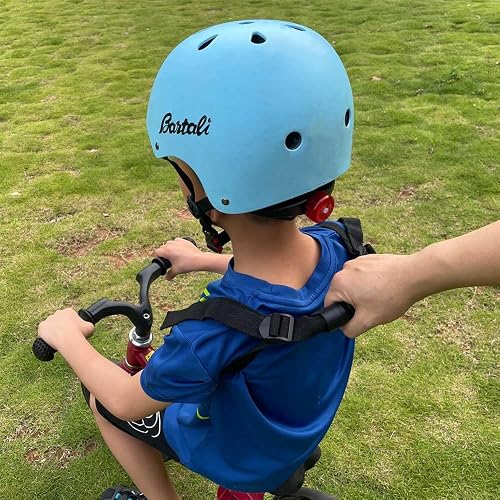 Best for a hands-off harnessRiding Harness for Kids Bike Balance Trainer Pedal Bike Training HarneView on Amazon
- 7
 Best for a play-first balance bikeHape Learn to Ride Balance Bike – RedView on Amazon
Our Top Picks
| Product | Best for | Key feature |
|---|---|---|
| ZUKKA Kids Bike Training Push Handle | Overall use on standard kids’ bikes | Adjustable push bar with grip |
| SEREED 12-24 Months Toddler Bike | Toddlers on a first balance bike | Silent wheels, indoor-outdoor use |
| Bike Training Handle, 26″-30″ | Larger kids and taller riders | Five height levels, parent control |
| TOPROAD Children Bike Safety Handle | Parents wanting a sturdy frame | Iron build, non-slip grip |
| Bike Training Handle, 22″-29″ | Families with mixed bike sizes | Four-level adjustable height |
| Riding Harness for Kids Bike Balance Trainer | Parents who want hands-free support | Rear harness grip |
| Hape Learn to Ride Balance Bike | Play-first learners | Lightweight, simple frame |
ZUKKA Kids Bike Training Push Handle Safety Trainer Handle Balance Push Bar Kids Bike Learning Handle Push Bar for Children Bikes
ZUKKA Kids Bike Training Push Handle Safety Trainer Handle Balance Push Bar Kids Bike Learning Handle Push Bar for Children Bikes
Best for: Overall use on standard kids’ bikes
A solid general-purpose choice for parents who want one handle that works across most children’s bikes.
Pros
- Clamps onto the seat post with a straightforward setup
- Padded grip keeps your hand comfortable on longer sessions
Cons
- Fit depends on checking the seat post diameter first
SEREED 12-24 Months Toddler Bike, First Learning Ride on Toys, 4 Silent Wheels Indoor Outdoor Baby Walker
12-24 Months Toddler Bike, First Learning Ride on Toys, 4 Silent Wheels Indoor Outdoor Baby Walker, Green SEREED Baby Balance Bike for 1 Year Old Boy Girl, First Birthday Gift Toy
Best for: Toddlers on a first balance bike
Aimed at the youngest riders who are just starting to walk, scoot and coast.
Pros
- Silent wheels suit indoor floors as well as the driveway
- Low frame makes it easy for short legs to reach the ground
Cons
- Outgrown quickly once a child reaches their third birthday
Bike Training Handle, 26″-30″ Balance Buddy Bike Training Handle with Parent Control Safety Trainer
26"-30" Bike Training Handle, 5-Level Balance Buddy Bike Training Handle, Bicycle Training Handle with Parent Control Safety Trainer with Cycling Gloves Accessory for Kids Riding Support
Best for: Larger kids and taller riders
Suits older kids on bigger wheels who need a longer reach and more control from the parent side.
Pros
- Five height levels cover a wide range of bike sizes
- Parent control lets you guide the bike without bending over
Cons
- Bulkier than simple push bars, so storage takes more room
TOPROAD Children Bike Safety Handle, Balance Push Bar, Height Adjustable
Sturdy Iron, Non-slip Grip, Bicycle Push Stick for Enhanced Balance, Stability, Comfort and Control(Black) TOPROAD Children Bike Safety Handle, Balance Push Bar, Height Adjustable
Best for: Parents wanting a sturdy frame
For parents who prefer metal construction and a firm feel while steadying the bike.
Pros
- Iron construction feels stable under a running push
- Non-slip grip stays secure when your hands are damp
Cons
- Heavier to carry than plastic alternatives
Bike Training Handle for Kids, 22″-29″ Adjustable Balance Push Bar with Easy-Grip Handle
Bike Training Handle for Kids, 22"-29" Adjustable Balance Push Bar with Easy-Grip Handle, Parent Assist Bicycle Trainer Handle for Kids Learning to Ride, 4-Level Height Settings
Best for: Families with mixed bike sizes
Works well when more than one child rides, since the four height settings cover a broad range.
Pros
- Four-level height settings for different bike frames
- Easy-grip handle reduces hand fatigue
Cons
- Adjustment clamps need periodic tightening
Buying Guide
Match the Product to Your Child’s Height and Age
Push handles and training bars are sold in fixed height ranges, such as 22″ to 29″ or 26″ to 30″. Measure your child’s inseam and check that the handle can be adjusted to fit their bike and their height before you buy. A toddler who is not yet ready for pedals will do better with a true balance bike than with a bike-mounted handle.
Check the Grip and Handle Design
Look for an easy-grip or non-slip handle so you can hold it firmly with one hand while steadying the bike. A comfortable grip matters because you may be bent over and holding on for a long session. Handles with a sturdy metal frame feel more secure than thin plastic bars.
Look for Parent Control and Safety Features
Some trainers include a parent control bar or a harness that lets you guide the bike and lift your child if they start to tip. These features give you more control over balance and steering, which helps build confidence. A harness-style trainer can also reduce the chance of a sudden fall.
Consider Indoor and Outdoor Use
If you plan to practice indoors or on uneven ground, choose a product with silent wheels or a stable base. Toddler walkers and balance bikes with quiet wheels are easier to use on hard floors. Make sure any product you pick is suited to the surfaces where your child will ride most often.
FAQ
When should my child start using a bike training handle?
Most kids start when they can pedal or push a bike with some steadiness and show interest in riding. Balance bikes are often used first, and a push handle can be added once your child is ready to learn pedaling. Every child develops at a different pace, so follow their confidence level.
Is a push handle better than a balance bike?
Neither is strictly better, since they serve different stages. A balance bike teaches balance without pedals, while a push handle helps a child who already rides a pedal bike learn to stay upright. Many families use a balance bike first and a push handle later.
How do I adjust a training handle for my child?
Most adjustable handles have height settings that lock into place with a pin or clamp. Set the handle at a height where you can hold it comfortably while walking alongside the bike. Recheck the lock before each session to make sure it has not loosened.
Can I use a riding harness on any bike?
A harness is typically designed for pedal bikes and fits around the child’s torso or waist. Check that the harness is compatible with your bike’s frame and seat before use. Always supervise your child closely and never leave them unattended while using it.
How long does it usually take to learn to balance?
Learning time varies widely, and many children take several weeks of short, regular practice. Frequent sessions of 10 to 20 minutes are often more effective than one long session. Stay patient and celebrate small steps like gliding or steering.
Conclusion
For toddlers who are not yet ready for pedals, a balance bike such as the SEREED 12-24 Months Toddler Bike is the best starting point. For older children on pedal bikes, the ZUKKA push handle offers a strong all-around choice, while the 26″-30″ trainer with parent control suits a wider height range.
Parents who want a more secure, harness-style option should consider the riding harness, and families with a child near the lower end of the height range may prefer the TOPROAD or 22″-29″ adjustable handles. Choose based on your child’s size, your comfort, and where you will practice.
Related reading
- Yvolution Y Velo Junior Balance Bike Review: Is It Worth It?
- Yvolution Velo Balance Bike vs Strider 12 Sport (2026): Which Is Better?
- YBIKE Pewi Balance Bike Review: Is It Worth It?
About Emily Parker
Emily Parker is part of our editorial team and reviews and edits our dad-focused parenting guides, checking product details against manufacturer specifications and owner feedback.