By Emily Parker
Updated November 2026
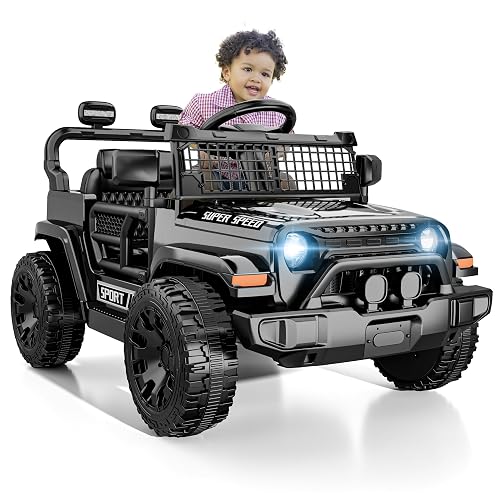
Porsche ride on toys are licensed miniature versions of the sports cars, usually built for toddlers and young kids to drive around the driveway, the backyard or the living room floor. This guide walks you through what to look for, how the main types differ, and the safety and setup checks that matter before your kid takes the wheel. By the end, you should be able to narrow down a short list that fits your child’s age, your yard and your budget tier.
Why Porsche Ride On Toys Are Popular With Dads and Kids
Most of the appeal is obvious. A small Porsche looks like a real car, sounds like a real car when the horn goes off, and gives a kid the same grown-up feeling their dad gets when he opens the garage. Licensed models carry the badges, the lines and often the interior details that make a toddler stop and stare at the front bumper for ten minutes.
Shopping for one? See our guide: 5 Best 24v Ride On Toys for Big Yards and Long Rides: Buyer's Guide (2026).
There is also a practical side. A well-made ride-on gets kids outside, builds balance and coordination, and gives them a place to practice steering before they ever sit in a real seat. If you are already looking at general options, our broader roundup of Electric Ride On Toys: A Dad's Step-by-Step Buying and Safety Guide (2026) covers the battery and motor basics that apply to Porsche models too.
Step 1: Match the Model to Your Child’s Age
Age is the first filter, and it matters more than most parents expect. Ride-ons are sized and rated by manufacturers, and the stated age range usually reflects both the child’s size and the vehicle’s weight limit, not just a marketing guess.
- Under 18 months: Look for push-along or foot-to-floor models with a handle you control. Most kids this age are not ready to steer and brake on their own.
- 18 months to 3 years: Battery-free or low-speed electric models with a parent-accessible stop or a speed limiter work well here.
- 3 to 5 years: Electric models with a 6-volt or 12-volt battery, forward and reverse, and a remote option are the common sweet spot.
- 5 years and up: Larger, faster, two-seat or higher-voltage models become relevant, but check the weight limit carefully.
Step 2: Compare the Main Power Types
Porsche ride-ons generally come in three power categories. Each suits a different kind of family.
| Power Type | Typical Use | Things to Check |
|---|---|---|
| Push or pedal (no battery) | Ages 1 to 3, flat driveways | Wheel quality, handle height, stability |
| 6-volt electric | Ages 2 to 4, slow play | Top speed, charge time, parent stop |
| 12-volt electric | Ages 3 to 6, yards and paths | Battery type, remote control, weight limit |
Manufacturers usually specify voltage, maximum speed and rider weight. Treat those numbers as the baseline. If you have a hilly yard or unpaved ground, a 12-volt model with proper rubber tires will handle it far better than a 6-volt model with hard plastic wheels.
Step 3: Check the Battery and Charging Setup
Battery issues cause more frustration than anything else with these toys. Before you buy, confirm which battery the model uses and whether replacements are easy to find.
- Confirm the voltage and amp-hour rating printed on the battery or in the manual.
- Note the stated charge time. Many owners report that a full charge takes several hours, so plan around that.
- Use only the charger that came with the toy, or one the manufacturer names as compatible.
- Store the battery indoors and off concrete when not in use, and unplug it once it reaches full charge.
If your child will be in the car for long sessions, a second battery can save a lot of waiting.
Step 4: Set Up Safe Driving Conditions
A ride-on Porsche is a small vehicle, and small vehicles still need a safe place to run. Start with a flat, enclosed area such as a fenced backyard, a cul-de-sac with no through traffic, or a basement with clear floors. Remove toys, hoses and rocks from the path. Keep the first few sessions short and stay close.
Check the parent remote function if the model includes one. Test the stop button yourself before handing over the controls. Also confirm the seat belt, if fitted, latches firmly and that the kid’s feet reach the pedals or floor for braking.
Consult the manufacturer’s manual for the exact age, weight and speed limits, and check with your pediatrician if your child has balance or mobility concerns before regular use.
Step 5: Inspect Build Quality and Materials
Look at the wheels first. Rubber or foam-filled tires grip better and absorb bumps, while hard plastic wheels slip on grass and rattle on pavement. Check the body panels for sharp edges, loose screws and gaps where small fingers could get caught. Open and close the doors and test the steering wheel’s movement. A solid feel at the start usually means the toy will hold up longer.
Common Mistakes Dads Make
- Buying for the next age up. A toy that is too fast or too heavy for a three-year-old creates real safety risks.
- Ignoring the terrain. Plastic wheels on grass or gravel are a recipe for stalls and frustration.
- Skipping the charge routine. Leaving a battery on the charger for days can shorten its life.
- Letting the first ride be unsupervised. Stay close during the first sessions so you can learn how the toy handles.
- Assuming licensed means durable. The Porsche badge does not change the build quality, so judge the toy by its specs and materials.
Tips for Getting the Most From a Porsche Ride-On
- Set a fixed driving area with cones or a rope so the play zone stays consistent.
- Rotate the battery and charge it after each session, not only when it dies.
- Use the speed setting appropriate to your child’s skill, and move up only after steady stops and turns.
- Keep a small tool kit handy for tightening screws and checking the wheels every few weeks.
- If you are weighing other licensed options, compare them side by side with a broader guide like Hot Wheels Ride On Toys: 5 Best Picks for Toddlers (2026) so you know what features are standard.
Recommended gear
A few accessories make owning a Porsche ride-on easier. These are the categories worth considering.
- A spare rechargeable battery: Extra battery time keeps one charging while the other runs. View on Amazon
- A compatible battery charger: A matching charger protects the battery and avoids mismatched voltage. View on Amazon
- Rubber tire replacement set: Upgraded tires improve grip on grass and gravel for many models. View on Amazon
- A small garage or storage bin: Keeping the toy and charger out of the rain extends its life. View on Amazon
FAQ
What age are Porsche ride on toys for?
Most electric models are designed for roughly ages 2 to 6, while push-along versions suit younger toddlers. Always follow the manufacturer’s stated age and weight range.
Are Porsche ride-ons safe for toddlers?
They can be, provided you choose an age-appropriate model, supervise early sessions, and use a flat, enclosed area. Check that the seat belt, brakes and parent stop work before each use.
How long does the battery last?
Runtime depends on battery capacity, rider weight, terrain and speed setting. Manufacturers usually list an estimated runtime, and real-world use varies from one session to several.
Can a Porsche ride-on go on grass?
Models with rubber or foam-filled tires handle grass better than hard plastic wheels. Soft, wet or uneven ground will still slow the toy and drain the battery faster.
Do I need a parent remote?
A remote is helpful for younger or newer drivers because you can stop the toy instantly. It is not strictly necessary, but many dads find it worth having during the learning phase.
How do I charge the battery correctly?
Use the charger supplied or specified by the manufacturer, charge in a dry indoor location, and unplug once fully charged. Avoid leaving the battery on the charger for extended periods.
How do I maintain the toy?
Check screws, tires and the steering system every few weeks. Store the toy under cover, keep the battery charged according to the manual, and clean off dirt and moisture after outdoor use.
Should I buy a used Porsche ride-on?
Used models can work if the battery holds a charge, the wheels and steering are sound, and the body has no cracks or loose parts. Test the toy thoroughly before you commit.
Conclusion
Porsche ride on toys can be a great outdoor purchase when you match the model to your child’s age, check the power type and battery setup, and set up a safe driving space. Spend a few minutes on the build quality and manufacturer specs before buying, and your kid will get more time behind the wheel and fewer headaches for you. Take your time, start slow, and enjoy watching them drive their first Porsche.
Related reading
- Tractor Ride On Toys: 6 Best Picks for Toddlers and Big Kids (2026)
- Top 7 Ride On Toys for Five Year Olds Compared (2026)
- Top 6 Childrens Electric Ride On Toys for Toddlers and Big Kids
- Top 5 Ride On Toys Car Picks for Toddlers and Big Kids
Ready to choose one?
About Emily Parker
Emily Parker is part of our editorial team and reviews and edits our dad-focused parenting guides, checking product details against manufacturer specifications and owner feedback.