 By Emily Parker
Updated November 2026
Choosing a toddler ski and bike helmet means balancing three things: a secure fit on a small head, real impact protection, and comfort for a kid who will fight you on it if it feels wrong. Helmets for winter sports and helmets for riding a bike differ in shell design, ventilation and retention, so this list focuses on models that are sold for young children and that owners commonly describe as easy to fit. Our selection criteria were product specifications, brand reputation, age and sizing labels, and patterns in owner feedback about comfort, adjustment and durability. We have not tested these helmets ourselves; the points below reflect what manufacturers specify and what buyers tend to report.
Our top picks at a glance
- 1
 TOP CHOICEBest overallComstock Kids Ski & Snowboard Helmet with ABS Shell, EPS Impact ProtecView on Amazon
- 2
 TOP CHOICEBest for toddlers on a budgetToddler Ski Helmet Snowboard Helmet Winter Sports Age 2-6YView on Amazon
- 3
 TOP CHOICEBest for lightweight comfortSled Winter Sport Ultra Lightweight Toddler Ski Snowboarding Helmet with GogglesView on Amazon
- 4
 Best for older kids on a helmet-and-goggles setOdoland Kids Ski Helmet, Snow Helmet with Ski Goggles Set for Boys & GirlsView on Amazon
- 5
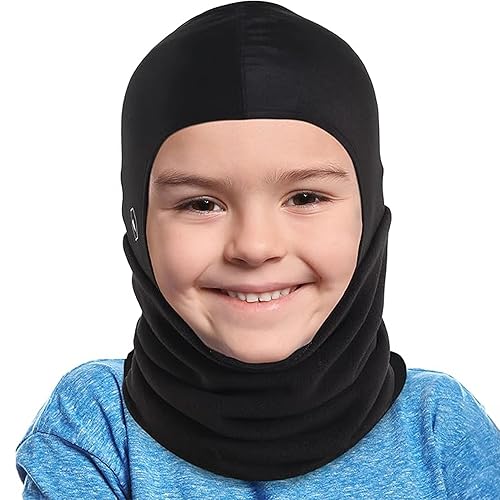 Best for cold-weather layeringTough Headwear Kids Balaclava Ski Mask with Helmet Liner HoodView on Amazon
Our Top Picks
| Product | Best for | Key feature |
|---|---|---|
| Comstock Kids Ski & Snowboard Helmet | Overall protection and ventilation | ABS shell, EPS liner, 10 cooling vents |
| Toddler Ski Helmet Snowboard Helmet (Age 2-6Y) | Budget-minded parents of toddlers | Sized for ages 2 to 6 |
| Sled Toddler Ski Snowboarding Helmet with Goggles | Light weight on a small head | Ultra lightweight design, ASTM and CE certified |
| Odoland Kids Ski Helmet with Goggles Set | Older kids who want a full set | Windproof build with included goggles |
| Tough Headwear Kids Balaclava Ski Mask | Layering in very cold weather | Fleece face and neck coverage with helmet liner hood |
Comstock Kids Ski & Snowboard Helmet with ABS Shell, EPS Impact Protection & 10 Cooling Vents
Comstock Kids Ski & Snowboard Helmet with ABS Shell, EPS Impact Protection & 10 Cooling Vents – Adjustable Winter Sports Gear, Goggle Clip
Best for: Overall protection and ventilation
This is the all-round choice for a parent who wants a hard outer shell and an energy-absorbing liner in one helmet. It suits kids who are active on the slopes or on a balance bike path and who run warm.
Key specs:
- ABS outer shell
- EPS impact-absorbing liner
- 10 cooling vents
- Adjustable fit
- Goggle clip
Pros:
- Hard shell and EPS liner are the construction most helmet standards are built around
- Vents help manage heat during active riding
- Goggle clip keeps eyewear in place
Cons:
- Heavier than the lightest options on this list
- Some owners find the adjustment dial takes a few tries to set on a wiggly toddler
Bottom line: A strong first pick for parents who want protection and airflow without giving up much on fit.
Toddler Ski Helmet Snowboard Helmet Winter Sports Age 2-6Y
Toddler Ski Helmet Snowboard Helmet Winter Sports Age 2-6Y
Best for: Budget-minded parents of toddlers
A straightforward helmet sized for the 2 to 6 age band. It fits parents who need a single helmet for a few winter seasons and who care most about basic protection and a snug fit.
Key specs:
- Labeled for ages 2 to 6
- Designed for skiing and snowboarding
Pros:
- Clearly labeled age range makes sizing easier
- Simple design with fewer parts to break
- Works for both skiing and snowboarding
Cons:
- Fewer listed features than the premium options
- Check the head measurement carefully, as sizing comments vary
Bottom line: A sensible choice for a toddler who will grow into it within a season or two and for parents who want a no-frills helmet.
Sled Winter Sport Ultra Lightweight Toddler Ski Snowboarding Helmet with Goggles
Sled, Winter Sport Out Door Activities, Ultra Lightweight, Comfort and Warmth, ASTM & CE Certified Toddler Ski Snowboarding Helmet with Goggles Small Size Age 2-6Y
Best for: Light weight on a small head
Lightweight helmets are easier for small children to wear for long stretches. This model suits kids who tend to take helmets off in the car or on the lift.
Key specs:
- Ultra lightweight construction
- Labeled ASTM and CE certified
- Small size for ages 2 to 6
- Includes goggles
Pros:
- Light weight reduces neck strain on small kids
- Standards labeling gives a useful reference point
- Goggles included, which saves a separate purchase
Cons:
- Goggle strap sizing can feel tight for some toddlers
- Lightweight shells may give less crush protection than heavier builds, so check the standard labels
Bottom line: Good for toddlers who resist helmets because of weight or heat, as long as you confirm the certification labels match your region.
Odoland Kids Ski Helmet, Snow Helmet with Ski Goggles Set for Boys & Girls
Windproof, Safety Snowboard Sports Helmets and Protective Goggles for Children Ages 6-14, for Skiing, Skating, Snowboarding Odoland Kids Ski Helmet, Snow Helmet with Ski Goggles Set for Boys & Girls
Best for: Older kids who want a full set
Aimed at children roughly 6 to 14, this set bundles a windproof helmet with goggles. It fits families who want a ready-to-go kit for a child who is moving up from toddler sizes.
Key specs:
- Windproof construction
- Designed for children ages 6 to 14
- Includes ski goggles
Pros:
- Helmet and goggles sold together
- Windproof build helps in cold, exposed conditions
- Useful step-up option once a toddler outgrows smaller sizes
Cons:
- Age range starts above typical toddler sizing, so it is not a fit for most toddlers
- Fit should be checked against the child’s measured head circumference
Bottom line: Best for an older child or a young kid with a larger head. Skip it if your toddler is still in the 2 to 6 range.
Tough Headwear Kids Balaclava Ski Mask with Helmet Liner Hood
Tough Headwear Kids Balaclava Ski Mask for Boys & Girls – Toddler Fleece Neck Warmer with Helmet Liner Hood – Kids Winter Face Mask & Thermal Neck Gaiter for Skiing – Cold Weather Snow Gear
Best for: Layering in very cold weather
This is not a helmet. It is a fleece balaclava that works under a ski helmet to cover the face, ears and neck. It suits parents in cold climates who need extra coverage for a toddler on the mountain or in an open sled.
Key specs:
- Fleece construction
- Covers face, neck and ears
- Designed to sit under a helmet
Pros:
- Adds real warmth in wind and cold
- Works with most helmets as a layer
- Soft fabric tends to be better tolerated by toddlers than rough neck gaiters
Cons:
- It does not provide impact protection, so it cannot replace a helmet
- Can feel warm on milder days
Bottom line: A useful add-on for cold conditions, but buy a certified helmet first and treat this as an accessory.
Buying Guide
Certification and standards
Look for a helmet that states it meets a recognized standard. For snow sports in the US, the common reference is ASTM F2040. Some helmets also list European CE markings. Standards labels tell you the helmet was tested to a specific protocol, but they do not guarantee protection in every crash, so buy from a reputable brand and check the label inside the helmet.
Good picks for this: Comstock Kids Ski & Snowboard Helmet, Sled Toddler Ski Snowboarding Helmet
Fit and head measurement
Measure around the widest part of the head, about one inch above the eyebrows. Compare that number to the manufacturer’s size chart, not to the age on the box. The helmet should sit level on the forehead, with the front edge about one finger width above the eyebrows, and the strap should form a V under the ears. Tighten the retention system until the helmet does not rotate when you gently twist the head.
Good picks for this: Toddler Ski Helmet Snowboard Helmet Winter Sports Age 2-6Y, Comstock Kids Ski & Snowboard Helmet
Weight
Heavier helmets can tilt a toddler forward and cause fatigue. Lightweight designs are easier to wear for long periods, but make sure the weight reduction did not come at the cost of shell thickness or liner density. Compare listed weights when they are available and prioritize a comfortable fit over the lightest possible model.
Good picks for this: Sled Toddler Ski Snowboarding Helmet, Toddler Ski Helmet Snowboard Helmet Winter Sports Age 2-6Y
Ventilation and heat
Toddlers overheat quickly when they are active. Vents help, but too many vents can reduce coverage or let snow in. Look for a balance, and plan for layers rather than relying on a helmet to regulate temperature. Remove the helmet indoors and during breaks to avoid overheating.
Good picks for this: Comstock Kids Ski & Snowboard Helmet, Tough Headwear Kids Balaclava Ski Mask
Goggles and eye protection
If you buy goggles separately, check that they fit over the helmet strap and do not press on the nose bridge. A goggle clip on the helmet keeps eyewear in place when a child takes it off. Goggles should be rated for impact and UV protection, and you should check the label before buying.
Good picks for this: Odoland Kids Ski Helmet with Goggles Set, Sled Toddler Ski Snowboarding Helmet with Goggles
Warmth and layering
Helmets alone do not keep a toddler warm. A balaclava or neck gaiter under the helmet can cover exposed skin, but it must not interfere with helmet fit or chin strap placement. Keep fabric thin enough that the helmet still sits flat on the head.
Good picks for this: Tough Headwear Kids Balaclava Ski Mask, Odoland Kids Ski Helmet with Goggles Set
Durability and care
Replace any helmet that has taken a significant impact, even if it looks fine. Inspect straps and buckles before each use, and clean the liner with mild soap and water. Store helmets away from direct heat, since high temperatures can weaken the foam. Plan to replace a helmet as your child grows or if it no longer fits the head measurement.
Good picks for this: Comstock Kids Ski & Snowboard Helmet, Toddler Ski Helmet Snowboard Helmet Winter Sports Age 2-6Y
FAQ
Can a toddler use a ski helmet for biking?
Ski helmets and bike helmets are built to different standards. A ski helmet is designed for snow impacts and may not meet the bike standard your region uses. For regular cycling, use a helmet labeled for bicycle use. Check the label before using any helmet for a different sport.
How do I know if a toddler helmet fits?
The helmet should sit level, cover the forehead about a finger width above the eyebrows, and not rock when the head is gently twisted. The chin strap should be snug enough to fit one or two fingers underneath. Recheck the fit after every few uses, since straps can loosen.
When should I replace a toddler helmet?
Replace a helmet after any significant impact, if it has visible cracks or damaged foam, or when your child outgrows it. Many manufacturers also recommend replacement after a set number of years, so check the instructions that came with your helmet.
Should a toddler wear a helmet while sledding?
Many families use a ski or snow helmet for sledding because head injuries can happen on any slope. A certified helmet adds protection, but supervision and safe terrain matter as much as the gear. Keep sled runs away from roads, trees and icy drop-offs.
Do toddler helmets need goggles?
Goggles are not required, but they protect the eyes from wind, snow and glare. If you use goggles, check that they fit with the helmet and do not sit so tightly that they cause discomfort. Goggles should have impact-resistant lenses and UV protection.
How should I clean a toddler helmet?
Wipe the shell with a damp cloth and mild soap, and remove the liner pads if they are removable. Let everything air dry away from direct heat. Do not use harsh solvents, which can weaken the shell and foam.
Conclusion
For most parents, the Comstock Kids Ski & Snowboard Helmet is the most complete option, with a hard shell, an EPS liner and vents. Families on a tighter budget may prefer the Toddler Ski Helmet labeled for ages 2 to 6. The Sled lightweight model suits kids who resist heavy helmets. The Odoland set fits older children, and the balaclava is a useful cold-weather layer rather than a replacement for a helmet. Whatever you choose, measure your child’s head, check the standards label, and see a pediatric or safety professional if you have specific concerns about your child’s needs.
Sources
- Consumer safety guidance on helmets and recalls for children's sports and recreation products (cpsc.gov)
- Child safety and helmet guidance for riding and recreational activities (nhtsa.gov)
- Pediatric recommendations on injury prevention and protective equipment for children (aap.org)
Related reading
- Top 8 Toddler Bike Helmet and Knee Pads Sets for Young Riders
- Toddler Superhero Bike Helmet?
- Toddler Bike Helmet With Chin Guard: How to Choose and Fit One Right
- Should Toddler Wear Helmet in Bike Trailer? Safety Guide for Dads
About Emily Parker
Emily Parker is part of our editorial team and reviews and edits our dad-focused parenting guides, checking product details against manufacturer specifications and owner feedback.