By Emily Parker
Updated November 2026
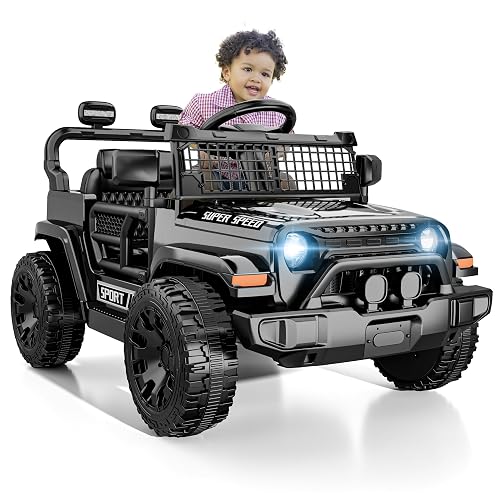
John Deere ride-on toys 12v models are one of the most common choices for dads shopping for a toddler or early big kid who wants to tool around the yard. This guide walks you through the things that matter most: matching the voltage and size to your child, checking the battery and charger, setting up a safe ride zone, and keeping the battery healthy so the toy lasts past the first summer.
Step 1: Confirm the Age Range and Size Fit
Start with the manufacturer’s age and weight limits, not the box art. Most 12V John Deere models are sized for toddlers and young kids, and the seat height and footwell room matter more than the number on the label. Have your child sit in the seat with feet on the pedals or footrests. Their knees should bend comfortably, and they should reach the steering wheel without leaning forward.
Shopping for one? See our guide: 7 Best John Deere Ride-On Toys for Toddlers and Big Kids (2026).
Step 2: Check the Battery, Charger and Speed Settings
The 12V battery is the heart of the toy, so look at how it is packaged and charged. Some models use a sealed battery that you charge with the included adapter. Others let you swap in a replacement. Check whether the speed can be limited, since many owners find a lower setting makes it easier for a new rider to learn steering and braking.
If you are planning to upgrade or replace a battery later, read the voltage and connector details in our 6 Best 12V Battery Chargers for Ride On Toys (2026) guide before you buy anything.
Compare the basic setup against other common options as well. The differences between 12V and 6V systems affect speed and hill performance, which we cover in 6V vs 12V Ride On Toys: Which Voltage Fits Your Toddler and Yard?.
Step 3: Prepare the Riding Area
Ride-on toys do best on flat, firm surfaces. Grass and gravel can drain the battery faster and make steering harder for a small child. Before the first ride:
- Walk the route and remove sticks, toys, hoses and rocks.
- Check for slopes steeper than what the manufacturer recommends.
- Keep the area away from driveways, pools and streets.
- Set a clear boundary your child can recognize, such as a line of cones.
If your yard has lots of grass, our guide to Ride-On Toys That Work on Grass: 6 Buying Factors for Dads (2026) explains which features handle uneven ground best.
Step 4: Build a Charging and Storage Routine
Battery life depends mostly on how you treat it. Charge the battery after each session rather than letting it fully drain, and unplug the charger once it reaches full. Store the toy somewhere mild, not in a hot garage or a freezing shed. Most manufacturers recommend a full charge before long periods of storage, and checking it every few weeks helps prevent deep discharge.
Common Mistakes to Avoid
- Buying the biggest size “to grow into.” An oversized seat makes steering and braking harder.
- Leaving the battery on the charger for days at a time.
- Letting an unsupervised toddler ride near roads or pools.
- Ignoring the weight limit, which strains the motor and drive gears.
- Skipping a quick check of the tires, brakes and steering before each ride.
Recommended Gear
- Helmet suited to small children: A properly fitted helmet is the simplest safety add-on for any ride-on toy. View on Amazon
- Smart charger for 12V batteries: A charger with automatic shutoff reduces the risk of overcharging. View on Amazon
- Cones or marker flags: Visible boundaries help young riders learn where they can go. View on Amazon
FAQ
How long does a 12V John Deere ride-on toy run on one charge?
Run time varies with terrain, rider weight and speed setting, so manufacturers give ranges rather than fixed numbers. Flat pavement and a low speed setting will get the most out of each charge.
Can I use any 12V charger on a John Deere ride-on toy?
Use the charger specified for your model, or one that matches its voltage, polarity and connector exactly. A mismatched charger can damage the battery, so check the manual or ask the manufacturer before swapping.
Is a 12V model safe for a toddler?
It can be, when the size, weight limit and speed are appropriate and an adult supervises every ride. Always follow the manufacturer’s age guidance and consult a pediatrician if you have questions about your child’s readiness.
Conclusion
Choosing a john deere ride-on toys 12v model comes down to fit, battery care and a safe riding area. Match the seat size to your child, keep the battery charged properly, and set clear boundaries before the first ride. Do those three things and the toy will be a reliable part of your yard for seasons to come.
Related reading
Ready to choose one?
About Emily Parker
Emily Parker is part of our editorial team and reviews and edits our dad-focused parenting guides, checking product details against manufacturer specifications and owner feedback.