By Emily Parker
Updated November 2026
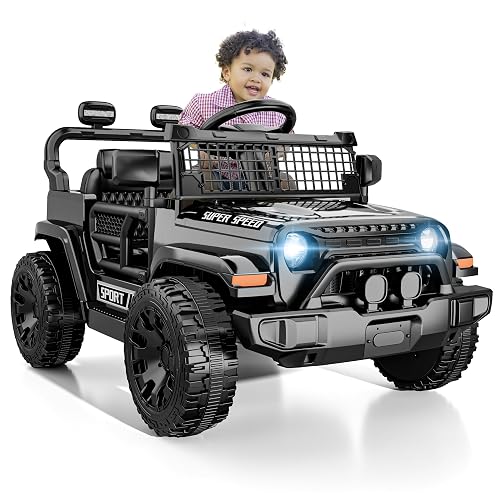
Cheap ride on toys battery operated models can be a solid buy for a toddler, but only if you know what to look for. This guide shows you how to judge a low-priced battery ride-on by its battery, motor, build, safety features, and seat fit, so you end up with something that runs and lasts rather than a toy that dies after three weekends.
Start With the Battery Voltage and Type
Most budget battery ride-ons run on 6V or 12V sealed lead-acid batteries. A 6V unit is usually lighter and better suited to toddlers, while 12V models have more power for hills, grass, and heavier kids. Manufacturers typically specify a voltage and a rough runtime, but they rarely state how that runtime was measured, so treat the numbers as a starting point. Check whether the battery is replaceable, because a cheap toy with a sealed, non-standard battery can become a paperweight once the battery fades.
Shopping for one? See our guide: 5 Best 12 Volt Battery Operated Ride On Toys for Toddlers (2026).
Check the Motor and Speed Settings
Cheap ride-ons often ship with one fixed speed, which is fine for a two-year-old and frustrating for a four-year-old. Look for a forward and reverse switch, a speed limiter or two-speed setting, and a motor that is rated for the child’s weight range. Owners often report that budget motors struggle on inclines, so if your yard has a slope, lean toward a model that lists a higher-torque motor or a 12V system.
Inspect Build Quality and Weight Limit
Plastic body panels, thin wheels, and loose screws are the usual weak points on inexpensive ride-ons. Before buying, confirm the listed weight limit and compare it with your child’s weight plus a margin for growth. Wheels with rubber treads handle grass and gravel better than hard plastic ones. Once the toy arrives, tighten every visible bolt and check the wheel hubs within the first week.
Verify Safety Features and Certifications
Look for a seat belt, a parking brake, and a speed-limited mode. Some models include a remote control that lets you stop the toy from a distance, which matters a lot with toddlers who have not yet learned to steer. Check that the product lists a safety standard such as ASTM F963 for toys sold in the US. If the listing says nothing about standards, ask the seller or pick a different model.
Measure the Seat and Foot Space
A ride-on that fits poorly will be uncomfortable and may tempt your child to climb out. Measure seat height from the seat to the floor, and check that your child’s feet reach the pedals or floorboard without straining. Look at the seat width too. A seat that is too wide lets a small child slide around, which affects steering and safety.
Quick Buying Checklist
- Confirm voltage (6V for younger toddlers, 12V for older kids or hills).
- Check that the battery is replaceable and standard.
- Verify weight limit against your child’s current weight.
- Look for seat belt, parking brake, and remote control.
- Check for a stated safety standard.
- Measure seat height and foot reach.
| Factor | What to Look For | Why It Matters |
|---|---|---|
| Battery | Replaceable 6V or 12V | Extends the toy’s life |
| Motor | Two speeds, higher torque | Handles hills and grass |
| Build | Rubber tires, tight bolts | Prevents early breakdowns |
| Safety | Seat belt, parking brake | Reduces falls and runaways |
| Fit | Reachable pedals, snug seat | Improves control and comfort |
Common Mistakes to Avoid
- Buying for the child’s age instead of current size and weight.
- Ignoring the battery type, then finding no replacement when it fades.
- Skipping the first-week bolt check, which is where many cheap toys loosen.
- Letting a young child ride unsupervised on slopes or near the street.
- Charging the battery past the manufacturer’s recommended time, which shortens its life. Follow the charger instructions closely.
Recommended Gear
A quality charger matched to the battery voltage keeps a budget ride-on running longer. Consider a Schumacher SE-1275A battery charger style unit for 12V systems. View on Amazon
Replacement batteries are the most common fix for a fading toy. Search for a standard sealed lead-acid battery matching your toy’s voltage. View on Amazon
Rubber traction bands can help a ride-on grip grass and wet surfaces better than stock wheels. View on Amazon
FAQ
Are cheap battery ride-on toys safe for toddlers?
They can be, provided the model has a seat belt, a parking brake, a stated weight limit that fits your child, and a recognized safety standard. Always supervise young children, especially near slopes or roads.
How long does a budget battery ride-on run on one charge?
Runtime varies widely by battery size, terrain, and rider weight. Manufacturers usually give an estimate, but results depend on how hard the toy is driven, so check the official specifications and plan on regular charging.
Can I replace the battery on a cheap ride-on?
Often yes, if the toy uses a standard sealed battery of the same voltage. Check the battery compartment and the product listing before buying, since some budget models use non-standard packs.
Conclusion
A cheap ride on toys battery operated model can be a good buy when you check voltage, battery replaceability, build, safety features, and fit. Spend a few minutes on those six factors before purchase and you will avoid most of the common disappointments. Your toddler will get more time riding and less time waiting for repairs.
Related reading
- John Deere Battery Operated Ride On Toys: 6 Things to Check Before You Buy
- John Deere Ride On Toys Battery Powered: 6 Things to Check Before You Buy
- Battery Powered Ride On Toys 2-Seater: 6 Buying Factors for Dads (2026)
- Battery Chargers for Ride on Toys (2026): Pros, Cons & Verdict
Ready to choose one?
About Emily Parker
Emily Parker is part of our editorial team and reviews and edits our dad-focused parenting guides, checking product details against manufacturer specifications and owner feedback.