By Emily Parker
Updated November 2026
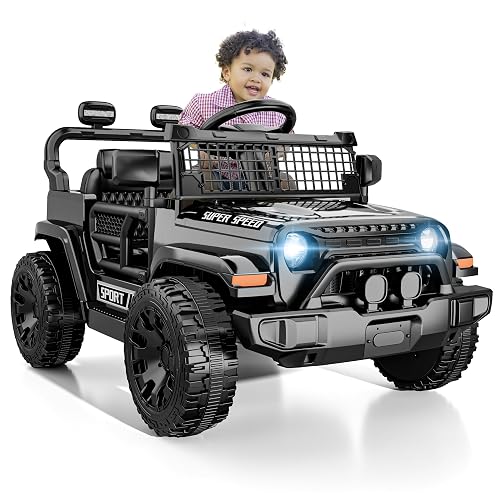
Electric powered ride on toys can be a great way to get your toddler outside and moving, but the box never tells you which model will actually work for your kid and your yard. This guide walks you through the factors that matter most: age fit, battery voltage, speed control, terrain and safety features. By the end, you’ll know how to narrow the field to two or three solid options.
Step 1: Match the Toy to Your Child’s Age and Size
Most manufacturers list an age range and a maximum rider weight. Treat those numbers as limits, not targets. A toy that is too big makes it hard for a small child to reach the pedal or steering wheel, and a toy that is too small will feel cramped and may tip more easily. Electric Ride On Cars Toys R Us: A Dad's Guide to Buying Smart goes further into this.
Shopping for one? See our guide: Top 6 Childrens Electric Ride On Toys for Toddlers and Big Kids.
Look for a seat you can adjust, a footrest that sits flat and a steering wheel your toddler can comfortably grip with both hands. If your child is still learning to sit upright, pick a model with a higher backrest and a seat belt.
Step 2: Understand Battery Voltage and Speed
Voltage is the single biggest factor in how fast and how powerful a ride on toy feels. Most toddler models run on 6V or 12V systems. A 6V unit usually suits children around 18 months to three years and tops out at a walking-pace crawl. A 12V unit is a better fit for kids around three to six and handles a bit more hill or grass.
Check whether the toy has a speed switch. Many models offer a low setting for beginners and a high setting for confident riders. Starting on low gives your child time to learn steering and braking without getting overwhelmed.
Step 3: Check the Terrain Before You Buy
A ride on toy that works on a smooth driveway may struggle on thick grass, gravel or wet leaves. Smaller wheels get stuck easily, while wider rubber tires or plastic tread give better traction. If your yard is uneven, look for toys described as suited to grass or off-road use, and be realistic about slopes. Most manufacturers recommend flat surfaces for toddler models.
Step 4: Look at Safety Features
Electric ride on toys have a few safety features worth prioritizing:
- A seat belt that clips securely at the waist
- A parent remote that can stop or steer the toy
- Automatic brakes that engage when the pedal is released
- A low, wide chassis that reduces tipping
- A charger with an automatic shutoff
A parent remote is especially useful for toddlers who are still learning to steer. It lets you take control if your child heads toward the street or a flower bed.
Quick Setup Checklist
- Confirm the age range and rider weight limit.
- Choose 6V for younger toddlers or 12V for older kids.
- Measure your yard and check whether the tires suit grass or pavement.
- Test the seat belt, brakes and speed switch before first use.
- Charge the battery fully before the first ride, following the manufacturer’s instructions.
Common Mistakes to Avoid
- Buying a toy “to grow into.” Oversized toys are harder to control.
- Skipping the first charge or overcharging the battery.
- Letting toddlers ride unsupervised near roads or pools.
- Ignoring the rider weight limit once your child gets bigger.
- Expecting a 6V toy to handle hills or thick grass.
Recommended Gear
A few accessories make electric ride on toys easier to live with. A spare battery lets you keep riding while the first one charges, and a sturdy helmet protects young riders who are getting up to speed.
- A helmet sized for toddlers, which protects against bumps when riders tip over. View on Amazon
- A portable battery charger that stays cool during charging and fits your storage space. View on Amazon
- A rubber-tread mat or cone set to mark a safe riding zone in your driveway. View on Amazon
FAQ
What age is best for electric powered ride on toys?
Most toddler models are designed for ages 18 months to 3 years at 6V, and older kids usually move up to 12V models around age three to six. Always check the manufacturer’s age and weight limits.
How long does the battery last on a single charge?
Runtime depends on voltage, terrain, rider weight and speed setting. Manufacturers typically give a range, so expect shorter rides on grass or with heavier riders.
Are electric ride on toys safe for toddlers?
They can be, especially with a seat belt, a parent remote and supervision at all times. Consult your pediatrician if you have questions about your child’s development or readiness for ride-on play.
Conclusion
Choosing electric powered ride on toys comes down to age fit, voltage, terrain and safety features. Start with a model that matches your child’s size, run it on low speed at first and keep a close eye on the battery. A little planning now means more outdoor fun and fewer surprises later.
Related reading
- Powered Ride On Toys Spiderman Car: Which Ones Are Worth Buying?
- Non Electric Ride On Toys: 6 Best Picks for Toddlers (2026)
- John Deere Ride On Toys Battery Powered: 6 Things to Check Before You Buy
- Electric Ride On Toys: A Dad's Step-by-Step Buying and Safety Guide (2026)
Ready to choose one?
About Emily Parker
Emily Parker is part of our editorial team and reviews and edits our dad-focused parenting guides, checking product details against manufacturer specifications and owner feedback.