 By Emily Parker
Updated November 2026
Finding a toddler adjustable bike helmet is less about brand names and more about fit, because a helmet that slides around on a wobbling three-year-old does almost nothing. This list compares seven options on the factors that matter most to parents: the size range the shell covers, how the adjustment dial or straps work, coverage at the back of the head, ventilation, and how well each design suits a child who is still learning to balance.
Our top picks at a glance
- 1
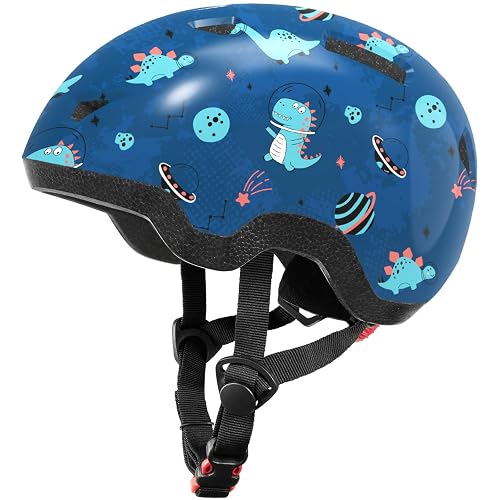 TOP CHOICEBest overallToddler Bike Helmet for Boys and Girls Ages 1-6View on Amazon
- 2
 TOP CHOICEBest for multi-size growthKids Bike Helmet, Adjustable and Multi-SportView on Amazon
- 3
 TOP CHOICEBest for ages 3 to 8Kids Helmet, Toddler Adjustable Ages 3-8View on Amazon
- 4
 Best for a gear setAdjustable Cycling Helmets for Little Boy Girl with Knee Elbow PadsView on Amazon
- 5
 Best for scooters tooRetrospec Scout Kids Bike HelmetView on Amazon
- 6
 Best for infants and small toddlersSchwinn Classic Bike Helmet for KidsView on Amazon
- 7
 Best for character fansBELL Marvel Avengers Child and Toddler Bike HelmetsView on Amazon
Our Top Picks
| Product | Best for | Key feature |
|---|---|---|
| Toddler Bike Helmet for Boys and Girls Ages 1-6 | Overall fit range | Wide size span |
| Kids Bike Helmet, Adjustable and Multi-Sport | Growing toddlers | Three sizes in one |
| Kids Helmet, Toddler Adjustable Ages 3-8 | Ages 3 to 8 | Long-lasting adjustment |
| Adjustable Cycling Helmets Set with Pads | Full protective gear | Helmet plus pads |
| Retrospec Scout Kids Bike Helmet | Bikes and scooters | Multi-sport versatility |
| Schwinn Classic Bike Helmet for Kids | Infants and small toddlers | Lightweight, dial fit |
| Bell Marvel Avengers Child and Toddler Helmet | Character appeal | Licensed superhero design |
Toddler Bike Helmet for Boys and Girls Ages 1-6
Toddler Bike Helmet for Boys and Girls Ages 1-6, Toddler Helmet 2-4 Years, Baby and Infant Bike Helmet, Kids Helmet for Bike and Scooter
Best for: Overall fit range
This is a good starting point for parents who want one helmet to cover several years of growth without buying a new one every season.
Pros
- Covers a wide age span, roughly 1 to 6
- Adjustable fit suits different head shapes
Cons
- Youngest sizes may feel snug at first
Kids Bike Helmet, Adjustable and Multi-Sport
Kids Bike Helmet, Adjustable and Multi-Sport, from Toddler to Youth, 3 Sizes
Best for: Growing toddlers
Parents who expect a quick growth spurt will appreciate the three-size design, which is built to carry a child from toddler to youth sizing.
Pros
- Three sizes in one shell
- Works for biking and other multi-sport use
Cons
- Bulkier look than single-size helmets
Kids Helmet, Toddler Adjustable Ages 3-8
Kids Helmet, Toddler Adjustable Kids Ages 3-8 Years Old Boys Girls Multi-Sports Safety
Best for: Ages 3 to 8
A fit for kids who have moved past the earliest toddler stage but still need a helmet that adjusts as they grow.
Pros
- Adjustable across a broad age band
- Suits boys and girls equally
Cons
- Less suited to babies under about age 3
Adjustable Cycling Helmets for Little Boy Girl with Knee Elbow Pads
Adjustable Cycling Helmets for Little Boy Girl, Multisport Protective Gear for Skateboarding, Scooter, Cycling, Skating Toddler Kids Bike Helmet Set with Knee Elbow Pads, CPSC Certified
Best for: Full protective gear
Useful if you want the helmet and pads bought together, especially for a first season on a balance bike or scooter.
Pros
- Helmet and knee and elbow pads in one set
- Adjustable helmet for multiple sports
Cons
- Pads may need sizing checks as well
Retrospec Scout Kids Bike Helmet
Retrospec Scout Kids Bike Helmet, Skateboard, Scooter, Toddler, Boys/Girls
Best for: Bikes and scooters
A practical choice for families whose toddler rides a bike one day and a scooter the next.
Pros
- Versatile across riding styles
- Fits both boys and girls
Cons
- Sizing can run slightly different from other brands
Schwinn Classic Bike Helmet for Kids
Schwinn Classic Bike Helmet for Kids, Purple Polkadots, Helmet for Kids Ages 1-3, Ultra Lightweight, Adjustable Dial, Full Coverage with Vented Airflow, Infant and Toddler Bike Helmet
Best for: Infants and small toddlers
Aimed at the youngest riders, this one suits a first ride on a tricycle or early balance bike.
Pros
- Ultra lightweight with vented airflow
- Adjustable dial for a secure fit
Cons
- Not designed for older kids
Buying Guide
Size Range and Head Fit
Check the age and size range printed on the helmet before you buy, since toddler heads differ a lot from one child to the next. A helmet that is too big will shift forward or sideways in a fall, so measure your child’s head just above the eyebrows and compare that to the sizing chart. Many adjustable models are designed to grow with your child, which can help if you want a longer-lasting purchase.
Adjustment Dial and Straps
Look for a simple dial or sliding system that you can tighten without tools. The chin strap should sit snugly under the chin with room for one or two fingers, and the buckle should be easy for a parent to fasten but hard for a child to undo by accident. Secure straps matter more than extra padding, because a loose helmet cannot protect properly.
Coverage and Shell Design
A helmet should cover the forehead and the back of the head, with the front edge sitting about two finger widths above the eyebrows. Some toddler models offer fuller coverage at the back, which can be useful for children who tumble backward when they are learning to ride. Check that the shell does not flare out or dip too low over the ears.
Ventilation and Comfort
Vents help keep a young rider from overheating during longer rides, especially in warm weather. Lightweight designs are easier for small children to wear for a full outing without fussing. Soft, removable padding that can be washed is also a practical feature for toddlers who sweat quickly.
Certification and Multi-Sport Use
Choose a helmet that carries a recognized safety certification for bicycle use, and confirm the label on the product. If your child also rides a scooter or skates, a multi-sport design may be a convenient choice, but make sure the certification matches the activity you have in mind.
FAQ
What size toddler helmet should I buy?
Measure your child’s head about one inch above the eyebrows and use the manufacturer’s sizing chart rather than relying on age alone. Toddlers vary a lot, so a size chart is more reliable than a number on the box. If the measurement falls between two sizes, adjustable models can help you get a snug fit.
How do I know if the helmet fits correctly?
The helmet should sit level on the head, covering the forehead, with the straps forming a V shape under each ear. When your child opens their mouth wide, the helmet should press lightly on the head. If it rocks or slides, tighten the dial or try a smaller size.
How often should I replace a toddler bike helmet?
Replace the helmet after any hard impact, even if no damage is visible, because the inner foam may be compressed. Also check it regularly for cracks, loose straps, or worn buckles. Many manufacturers suggest replacing helmets every few years, so review the guidance included with your model.
Can an adjustable helmet be used for scooters and skates?
Some adjustable helmets are marketed as multi-sport, but you should confirm that the certification on the label covers the activities your child will do. A bike-certified helmet is designed for cycling impacts, so review the product details before using it for other sports. Always supervise young riders and encourage use of appropriate protective gear.
How can I get my toddler to keep the helmet on?
Let your child choose a design or color they like, since fun graphics often increase willingness to wear it. Make a routine of putting it on before every ride, and model the habit yourself. Keeping rides short at first can also help your child get used to the feeling.
Conclusion
For most families looking for a toddler adjustable bike helmet, a model with a wide size range and a secure dial is the most practical starting point, especially if you want one helmet to last through several growth stages. Parents of children who ride scooters or skates as well may prefer a multi-sport design, provided the certification matches those activities.
If your child is on the smaller end or is just beginning to ride, a lightweight helmet with good coverage at the back and simple straps is likely the best fit. Whichever option you choose, measure carefully, confirm the fit each time, and replace the helmet after any significant impact.
Related reading
- Top 5 Toddler Ski and Bike Helmets for Little Riders in 2026
- Toddler Superhero Bike Helmet?
- Toddler Hat for Under Bike Helmet: 5 Best Liners for Cold Days
About Emily Parker
Emily Parker is part of our editorial team and reviews and edits our dad-focused parenting guides, checking product details against manufacturer specifications and owner feedback.